
Interior Architecture: What It Is and Why It Changes Everything


Interior architecture and interior design are not the same thing. In everyday conversation, the distinction rarely gets pressed. In the practice of high-quality spatial design, it is the difference between a space that works and a space that merely looks.
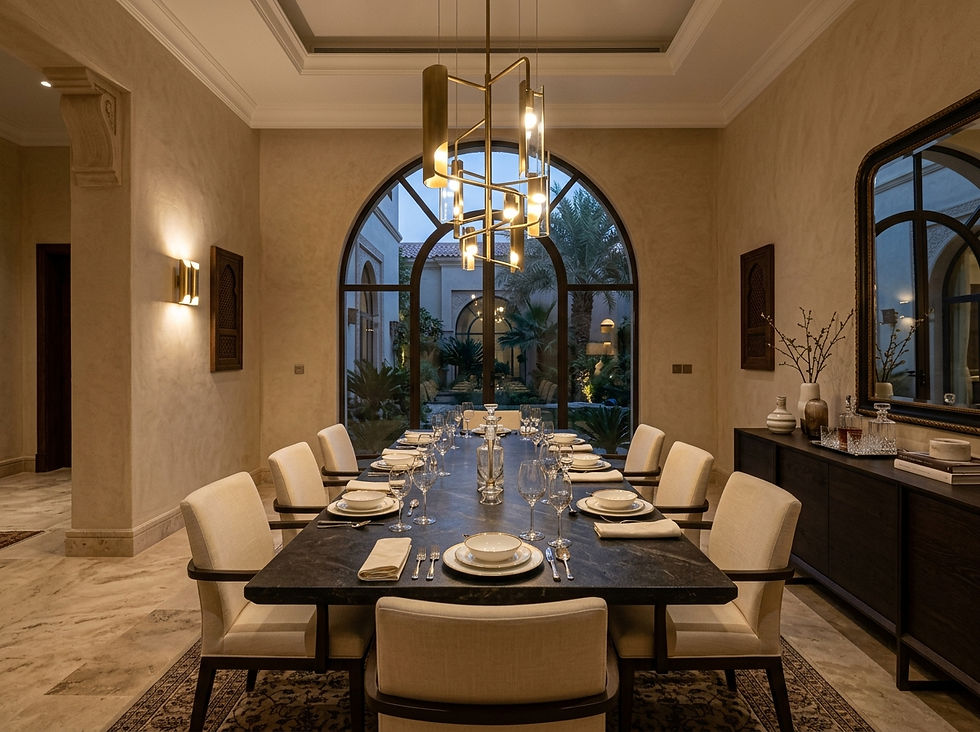
Interior architecture is concerned with the spatial, structural, and organisational qualities of an interior — with how a space is shaped, how it flows, how light moves through it, and how its proportions affect the experience of being inside it. It operates at the level of walls and openings, ceiling planes and floor levels, structural volumes and circulation paths. It determines, before any material or finish is selected, whether the fundamental logic of a space is sound.
Interior design and decoration — the selection of materials, colours, furniture, and objects — work within the framework that interior architecture establishes. When that framework is strong, decoration has something genuine to work with. When it is weak — when proportions are wrong, circulation is awkward, light sources are misplaced — no quality of finish resolves the underlying problem. The wrongness persists, visible to anyone who spends time in the space, regardless of how much the materials cost.
What Interior Architecture Actually Addresses
Proportion and Scale
The relationship between ceiling height, room width, and the scale of elements within a space is one of the primary determinants of how a room feels. A room with a ceiling height-to-width ratio that falls outside a comfortable range — typically between 1:2 and 1:3 for domestic spaces — feels wrong in a way that is hard to articulate but immediately experienced. Getting proportion right is an interior architectural decision made before a single finish is specified.
Light and Aperture
Where natural light enters a space, how it travels across surfaces, and where it arrives at different times of day are interior architectural considerations. A clerestory window introduced to a previously dark corridor changes the entire spatial character of that route. A west-facing opening enlarged by 30% changes the afternoon quality of a room so fundamentally that no artificial lighting strategy replicates it. These are decisions that cannot be added retrospectively — they are structural.
Circulation and Sequence
How people move through a building — the sequence of spaces, the transitions between zones, the moments of compression that make a subsequent release feel generous — is choreographed by interior architecture. The entrance sequence of a luxury villa, designed well, produces a specific emotional condition before the guest has sat down. Designed poorly, it produces confusion or the sense that the scale of the house has been wasted.
Fixed Elements and Integration
In a luxury interior, built-in elements — staircases, kitchen and bathroom volumes, joinery that is part of the architecture rather than moveable furniture — must be designed as interior architecture. Their proportions, their material relationship to the surrounding geometry, and their structural logic are long-term decisions. Retrofitting these elements into a space that was not designed around them produces the joined, compromised quality that characterises most residential interiors below the highest specification level.
Why It Matters More in Saudi Arabia
Saudi residential design has a spatial tradition that rewards interior architectural thinking. The organisation of the Saudi home — its careful distinction between public reception spaces and private family zones, its spatial generosity in the areas of hospitality, its use of threshold and transition to manage the movement between these zones — is inherently architectural.
The majlis, properly conceived, is not a decorative scheme. It is an interior architectural proposition about how a space receives and honours guests: the approach, the threshold experience, the acoustic enclosure, the proportions of the room relative to the number of people it holds, the quality of light at the time of day when it is most used. None of these is a decoration decision.
In commercial design, Riyadh's rapidly maturing hospitality and retail sector has raised expectations for spatial quality. The interior architecture of a luxury restaurant's dining room or a boutique hotel's arrival sequence creates the quality of experience that drives return visits. It cannot be produced by better materials alone — not after the spatial decisions have already been made.
Ironwood Solutions and Interior Architecture
At Ironwood Solutions — a Riyadh luxury design firm founded in 2016 — interior architecture and interior design are not separate services. They are integrated in a single design process from the start of every project. The spatial organisation, proportions, light strategy, and circulation logic of a space are resolved in the same brief that addresses material specification, sensory design, and brand identity. This integration is what produces environments where everything is coherent — not because decoration was applied carefully but because the space was designed correctly from the inside out.
For clients in Saudi Arabia where the spatial quality of the environment matters as much as its finish, the consultation is where that work begins.
Frequently Asked Questions
What is the difference between interior architecture and interior design? Interior architecture determines how a space works — its proportions, how light enters, how people circulate through it, how fixed elements are positioned. Interior design and decoration work within the framework interior architecture establishes. In a well-designed project, the two are resolved together; in most projects, interior design is applied to a space whose architectural logic was never properly considered.
Can interior architecture problems be fixed after a space is built? Rarely, and never fully. Proportion errors, misplaced apertures, and poor circulation logic are structural problems. They can sometimes be partially addressed — a ceiling can be lowered, an opening enlarged — but the cost is significant and the result is usually a compromise. The correct time to resolve these questions is at the design stage.
Why does ceiling height affect how a room feels? Because the ratio between ceiling height and floor width determines the enclosure quality of the space. A room 6 metres wide with a 2.4-metre ceiling feels compressed. The same room with a 3.2-metre ceiling feels generous. This effect is measurable and consistent across people — it is not aesthetic preference but spatial psychology.

Comments